Domain kunststoffhammer.de kaufen?
Wir ziehen mit dem Projekt
kunststoffhammer.de um.
Sind Sie am Kauf der Domain
kunststoffhammer.de interessiert?
domain@kv-gmbh.de · 0541-91531010
Domain kunststoffhammer.de kaufen?
What do you like to do?
I am an AI language model, so I don't have personal preferences or the ability to engage in activities. However, I am designed to assist with a wide range of tasks, such as answering questions, providing information, and engaging in conversation on various topics. **
Do you?
I am an AI and do not have personal preferences or feelings. I am here to assist you with any questions or tasks you may have. **

Ähnliche Suchbegriffe für Filosofia-do-Direito-Teoria
Top-Angebote
Produkte zum Begriff Filosofia-do-Direito-Teoria:
-
Direito Penal - 7. Concurso de Pessoas - Teoria do Domínio do Fato; Participação - Alexandre Salim, Audio, 9786561203784Direito Penal - 7. concurso De Pessoas - Teoria Do Domínio Do Fato; Participação Von Alexandre Salim, Editora Foco, Sprecher: Alexandre Salim, Sprache: Portugiesisch0,49 €*Versand: 0,00 €Sichere Weiterleitung zum Anbieter
-
A teoria do órgão de fato e sua aplicação ao Direito brasileiro - Glauco da Rocha, Audio, 9786525266039A Teoria Do Órgão De Fato E Sua Aplicação Ao Direito Brasileiro Von Glauco Da Rocha, Editora Dialética, Sprecher: Voz Artificial, Sprache: Portugiesisch12,99 €*Versand: 0,00 €Sichere Weiterleitung zum Anbieter
-
Teoria Geral do Direito Notarial e Registral - 2. ed - Arthur Del Guércio Neto,Lucas Barelli Del Guércio, Audio, 9786561206242Teoria Geral Do Direito Notarial E Registral - 2. Ed Von Arthur Del Guércio Neto,lucas Barelli Del Guércio, Editora Foco, Sprecher: Voz Sintética, Sprache: Portugiesisch14,99 €*Versand: 0,00 €Sichere Weiterleitung zum Anbieter




-
Heißt es "Do you do a great job?" oder "Do you make a good job?"
Es heißt "Do you do a great job?". Die Verwendung von "do" in diesem Satz bezieht sich auf die Ausführung einer Aufgabe oder Tätigkeit. "Make" wird normalerweise verwendet, um etwas physisch herzustellen oder zu produzieren. **
-
Wie antwortet man auf "How do you do?" mit "How do you do?" oder auf "What's up, man?" mit "Nicht viel, und bei dir?"
Auf die Frage "How do you do?" antwortet man normalerweise ebenfalls mit "How do you do?". Es handelt sich dabei um eine formelle Begrüßungsfloskel, die nicht unbedingt eine echte Frage nach dem Befinden beinhaltet. Auf die informelle Frage "What's up, man?" könnte man mit "Nicht viel, und bei dir?" antworten, um höflich zu fragen, wie es der anderen Person geht. Es ist eine lockere Art, sich nach dem Befinden des anderen zu erkundigen. **
-
Was ist der Unterschied zwischen "to do" und "to do"?
Es gibt keinen Unterschied zwischen "to do" und "to do", da es sich um die gleiche Phrase handelt. "To do" ist die Infinitivform des Verbs "do" im Englischen und bedeutet "tun" oder "machen". Es wird verwendet, um Handlungen oder Aufgaben auszudrücken, die noch erledigt werden müssen. **
-
Do you have?
I am an AI assistant and do not possess physical objects or possessions. However, I am here to assist you with any questions or tasks you may have. **


Do you have?
I am an AI language model and do not possess physical objects or possessions. However, I have access to a vast amount of information and can assist with answering questions or providing guidance on various topics. **
Do you shop?
As an AI, I do not have the capability to shop. However, I can assist you with finding information about shopping or provide recommendations for products or services. **
Top-Angebote
Produkte zum Begriff Filosofia-do-Direito-Teoria:
-
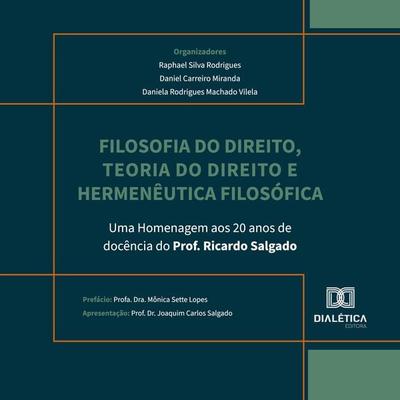
Filosofia do Direito, Teoria do Direito e Hermenêutica Filosófica - Raphael Silva Rodrigues,Daniel Carreiro Miranda,Daniela Rodrigues Machado Vilela,Filosofia Do Direito, Teoria Do Direito E Hermenêutica Filosófica Von Raphael Silva Rodrigues,daniel Carreiro Miranda,daniela Rodrigues Machado Vilela, Editora Dialética, Sprecher: Voz Artificial, Sprache: Portugiesisch10,99 €*Versand: 0,00 €Sichere Weiterleitung zum Anbieter
-
Constitucionalização, Constituição e Teoria do Direito - Gustavo Podestá Sedra, Audio, 9786525299877Constitucionalização, Constituição E Teoria Do Direito Von Gustavo Podestá Sedra, Editora Dialética, Sprecher: Voz Sintética, Sprache: Portugiesisch15,99 €*Versand: 0,00 €Sichere Weiterleitung zum Anbieter
-
Direito Penal - 7. Concurso de Pessoas - Teoria do Domínio do Fato; Participação - Alexandre Salim, Audio, 9786561203784Direito Penal - 7. concurso De Pessoas - Teoria Do Domínio Do Fato; Participação Von Alexandre Salim, Editora Foco, Sprecher: Alexandre Salim, Sprache: Portugiesisch0,49 €*Versand: 0,00 €Sichere Weiterleitung zum Anbieter
-
What do you like to do?
I am an AI language model, so I don't have personal preferences or the ability to engage in activities. However, I am designed to assist with a wide range of tasks, such as answering questions, providing information, and engaging in conversation on various topics. **
-
Do you?
I am an AI and do not have personal preferences or feelings. I am here to assist you with any questions or tasks you may have. **
-
Heißt es "Do you do a great job?" oder "Do you make a good job?"
Es heißt "Do you do a great job?". Die Verwendung von "do" in diesem Satz bezieht sich auf die Ausführung einer Aufgabe oder Tätigkeit. "Make" wird normalerweise verwendet, um etwas physisch herzustellen oder zu produzieren. **
-
Wie antwortet man auf "How do you do?" mit "How do you do?" oder auf "What's up, man?" mit "Nicht viel, und bei dir?"
Auf die Frage "How do you do?" antwortet man normalerweise ebenfalls mit "How do you do?". Es handelt sich dabei um eine formelle Begrüßungsfloskel, die nicht unbedingt eine echte Frage nach dem Befinden beinhaltet. Auf die informelle Frage "What's up, man?" könnte man mit "Nicht viel, und bei dir?" antworten, um höflich zu fragen, wie es der anderen Person geht. Es ist eine lockere Art, sich nach dem Befinden des anderen zu erkundigen. **
Ähnliche Suchbegriffe für Filosofia-do-Direito-Teoria
-
A teoria do órgão de fato e sua aplicação ao Direito brasileiro - Glauco da Rocha, Audio, 9786525266039A Teoria Do Órgão De Fato E Sua Aplicação Ao Direito Brasileiro Von Glauco Da Rocha, Editora Dialética, Sprecher: Voz Artificial, Sprache: Portugiesisch12,99 €*Versand: 0,00 €Sichere Weiterleitung zum Anbieter
-
Teoria Geral do Direito Notarial e Registral - 2. ed - Arthur Del Guércio Neto,Lucas Barelli Del Guércio, Audio, 9786561206242Teoria Geral Do Direito Notarial E Registral - 2. Ed Von Arthur Del Guércio Neto,lucas Barelli Del Guércio, Editora Foco, Sprecher: Voz Sintética, Sprache: Portugiesisch14,99 €*Versand: 0,00 €Sichere Weiterleitung zum Anbieter
-
Was ist der Unterschied zwischen "to do" und "to do"?
Es gibt keinen Unterschied zwischen "to do" und "to do", da es sich um die gleiche Phrase handelt. "To do" ist die Infinitivform des Verbs "do" im Englischen und bedeutet "tun" oder "machen". Es wird verwendet, um Handlungen oder Aufgaben auszudrücken, die noch erledigt werden müssen. **
-
Do you have?
I am an AI assistant and do not possess physical objects or possessions. However, I am here to assist you with any questions or tasks you may have. **
-
Do you have?
I am an AI language model and do not possess physical objects or possessions. However, I have access to a vast amount of information and can assist with answering questions or providing guidance on various topics. **
-
Do you shop?
As an AI, I do not have the capability to shop. However, I can assist you with finding information about shopping or provide recommendations for products or services. **
* Alle Preise verstehen sich inklusive der gesetzlichen Mehrwertsteuer und ggf. zuzüglich Versandkosten. Die Angebotsinformationen basieren auf den Angaben des jeweiligen Shops und werden über automatisierte Prozesse aktualisiert. Eine Aktualisierung in Echtzeit findet nicht statt, so dass es im Einzelfall zu Abweichungen kommen kann. ** Hinweis: Teile dieses Inhalts wurden von KI erstellt.